
Overview
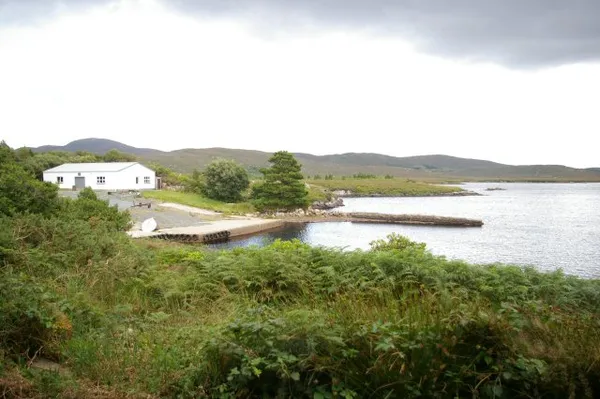
Lough Craghy (Irish: Loch Chrathaí), known locally as Tully Lake, is a shallow, rocky freshwater lough in the Rosses fishery of north County Donegal, near Dungloe. Inland Fisheries Ireland’s Rosses Fishery guide identifies it as a sea-trout water. The shoreline is irregular, with small islands, jutting headlands and sheltered bays, and on a calm day the surface mirrors the low hills and bogland behind it. It is shallow and stony, and in a big wind it kicks up an awkward, dangerous chop, so keep an eye on the weather.
History & Background
The Rosses is a Gaeltacht where fishing, turf cutting and small farms long sustained local families. Its Irish name, Loch Chrathaí, is the authoritative form; the anglicised ‘Craghy’ and the local ‘Tully Lake’ both attach to the same water. Formal records are thin, but the lake has been a seasonal fishing ground for generations, its knowledge passed down among Donegal anglers rather than written down.
What to See & Do
Angling
The draw is sea trout, which come in from the Atlantic through the local river system. Before fishing, check current Inland Fisheries Ireland rules and confirm the applicable permit and authorised access with the fishery. Keep private banks, gates and slipways clear.
Landscape and wildlife
The varied shoreline supports a steady presence of birdlife, including swans and various duck species, with waders over the open water. In spring and early summer the surrounding heath and bogland fill with heather, gorse and wildflowers, adding colour to the landscape. Only use places where access is clearly authorised, and wear sturdy footwear, as the ground is uneven and boggy in places.
Photography
Lough Craghy’s calm waters act as a natural mirror, particularly in the early morning when Atlantic mist often settles over the low hills. The islands and rocky headlands give a range of compositions against the rugged backdrop, and overcast days can be just as effective as sunny ones, softening contrast and letting the water pick up subtle shifts in light and cloud.
When to Visit
- Fishing: Sea trout are a summer fish, so plan for the warmer months and check current rules first.
- Wildlife: Late spring (May to June) is a good time for waders and nesting birds.
- Photography: Dawn and dusk give the most atmospheric light, while autumn brings rich textures and colour to the surrounding hills and bogland.
Practical Information
- Permits: Confirm the required permit and licence with the fishery before you fish.
- Facilities: Do not count on visitor centres, toilets or refreshments at the water. Bring your own water, snacks and weather-appropriate gear.
- Safety: The terrain includes uneven ground and boggy sections, particularly after rain. Exercise caution near the water’s edge, avoid wading in unfamiliar areas, and check the weather before heading out.
Nearby Attractions
- Dungloe: A seaside town near the lake, with pubs, craft shops and easy access to coastal walks.
- Assaroe: A scenic lake and abbey area in Donegal with additional walking routes and historic ruins.
- The Rosses coast: The wider region features rugged cliffs, sandy beaches and traditional music sessions in Gaeltacht villages.
Come on a still spring morning when the water is glass and the birdlife is at its busiest, and pack a windproof layer, as this is an exposed corner of north-west Donegal and the weather rarely stays put for long.